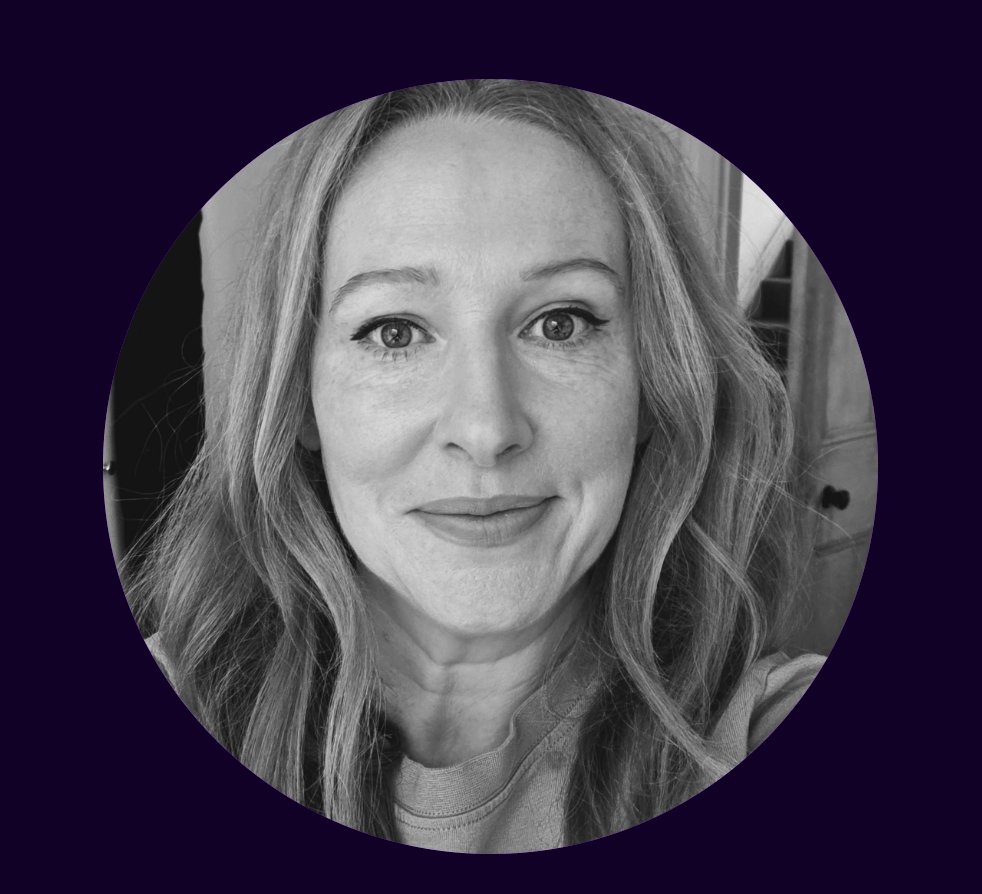
Meet the team

Professor Cath White
Medical Director

Professor Catherine White is the Medical Director for IFAS. Previously the Clinical Director of St Mary’s SARC, Manchester, Cath is the Sexual Offence Medicine lead for the Faculty of Forensic & Legal Medicine.

Her research was used as evidence to change the law regarding strangulation. Cath was awarded an Order of the British Empire (OBE) in The Queen’s 2014 New Year’s Honours List for services to Vulnerable People.

Bernie Ryan
CEO

Bernie is the Chief Executive Officer for IFAS. Bernie has worked in the VAWG sector most of her career in strategic, educational, policy and influencing roles, nationally and internationally, to improve the response to victim/survivors of VAWG.

Bernie was awarded an OBE in the Queen’s New Year Honours 2017 for Services to Victims of Sexual Violence.

Dr Samantha Treacy
Research Officer

Sam has recently worked on research exploring how AI chatbots are implicated in violence against women and girls. She has a PhD in Criminology, which focused on policy and a public awareness campaign relating to paramilitary harms in Northern Ireland.

She has previously worked on a range of original research projects and systematic reviews examining mental health, gender, violence, extremism, gambling harms, and stigma.

Emily Owen
Operations Support Officer

Emily has previously worked in the accessibility sector as an Operations Manager before joining the IFAS team.

Lotte Young Andrade
Research Officer

Lotte is a research assistant at IFAS and a PhD candidate at Warwick Law School. Her doctoral research examines how domestic violence advocates have adapted their support for victim-survivors in the wake of legal aid cuts, with a particular focus on access to justice and the changing landscape of frontline services.

She has contributed to a number of major research projects addressing gender-based violence, including the independent academic review of rape and serious sexual assault prosecutions under Operation Soteria, and in-depth analysis of suicide domestic violence death reviews. Her work combines rigorous socio-legal research with a strong commitment to improving policy and practice for victim-survivors.

Laura Brown
Survivor Liaison Lead

Laura is the Survivor Liaison Lead for IFAS, facilitating survivor engagement in IFAS’ work.
Laura’s background is in working for Sexual Violence and Domestic Abuse services in the Higher Education sector, providing one-to-one support to student survivors and delivering campaigns to raise awareness of gender-based violence on campus.

Niharika (Nika) Noakes
Head of Communications & Engagement

Niharika (Nika) Noakes is Head of Communications & Engagement at the Institute for Addressing Strangulation (IFAS), where she leads the organisation's strategic communications, public engagement, and stakeholder relationships. She works closely with researchers, clinicians, and partner organisations to translate evidence into accessible communications that influence policy, strengthen professional practice, and improve public understanding.

With more than a decade of experience across the charity, health, and public sectors, Nika has led nationally recognised communications campaigns, built strategic partnerships, and delivered initiatives that have driven engagement, influenced policy and supported systems change. Her work has received national recognition for communications, mental health awareness and equality, diversity, and inclusion.

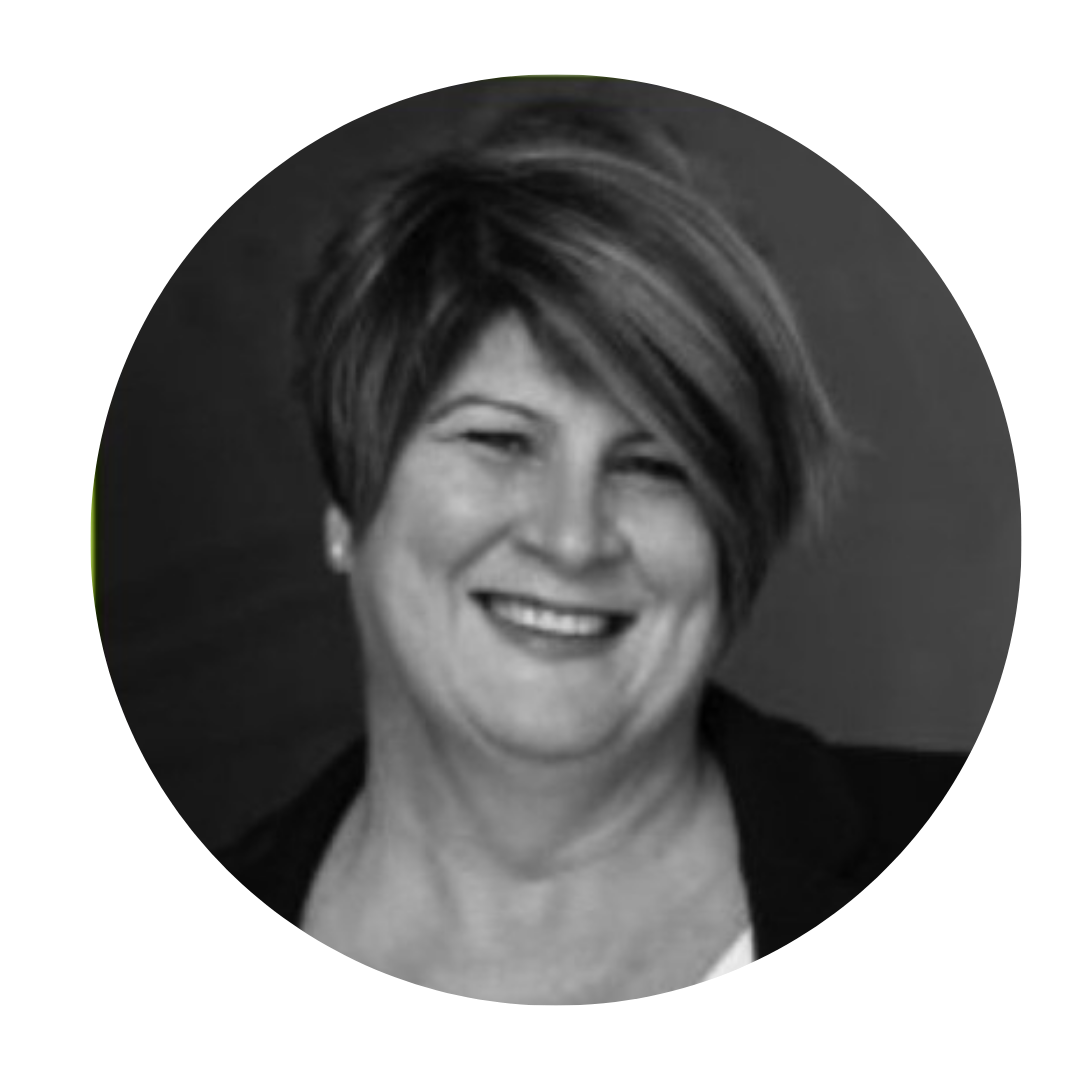
Julia Drown
Founder of IFAS

Julia is one of the founders of IFAS. Julia is also a patron of Advocacy After Fatal Domestic Abuse. A former Health Service Finance Director, Julia was the MP for South Swindon from 1997 to 2005 when she successfully campaigned with constituents to get domestic homicide reviews established.

Julia co-ordinated the group organised to get the new specific offence of strangulation and suffocation introduced and to set up IFAS.

Get in touch

For general and media enquiries and further information about our training
contact@ifas.org.uk

Exit site
Institute for Addressing Strangulation

Privacy Overview

This website uses cookies so that we can provide you with the best user experience possible. Cookie information is stored in your browser and performs functions such as recognising you when you return to our website and helping our team to understand which sections of the website you find most interesting and useful.